Insights on the Vibrant World of Cameroon Afro-fusionist rapper: A Deep Dive into Culture and Music.
Yankity is an emerging Cameroonian artist building a sound around rap, melody, memory, and cultural identity. As a Cameroonian afro-fusionist artist, he represents the kind of contemporary African talent that can feel local, personal, and globally listenable at the same time.
His story is still unfolding, but the foundation is already strong: years of craft, multilingual expression, and a debut that positions him as a fresh voice from Cameroon.
Why is Yankity one of Cameroon’s artists to watch?
Yankity stands out because he is not arriving as a copy of an existing formula. Born Yannick and also known as Tara, he is described through his official platform as a rapper, singer, and songwriter from Douala, Cameroon, with roots that include Yaoundé, seminary halls, and the streets of Kumbo.
He has been honing his craft since 2015, and his debut single, “The Memories,” released on June 3, 2026, marked his first official appearance on the Cameroon music scene. (yankitymusic.com)
That background matters because “next big talent” should mean more than visibility. It should point to an artist with a point of view. Yankity’s early identity suggests someone shaped by movement, language, faith, street experience, and reflection. In a music environment where listeners are increasingly drawn to authenticity, that combination gives him a meaningful edge.
A sound shaped by memory, rhythm, and language
Yankity’s music blends rap, cultural sounds, and melodic singing, creating a style that sits comfortably within contemporary African music while still carrying a Cameroonian signature.
His official biography notes that his sound spans English, French, Noni, and Camfranglais, which immediately gives his work a layered emotional and cultural texture. (yankitymusic.com)
That multilingual range is more than a technical detail. It helps him speak to different audiences without abandoning the local codes that make Cameroon culture so rich. English and French connect him to Cameroon’s bilingual reality; Noni brings a deeper ethnic and personal dimension; Camfranglais adds street-level immediacy and youth culture.
Together, they allow Yankity to move between intimacy and accessibility. His debut single also points toward minimalism as a strength. “The Memories” is presented as a showcase of distinctive minimalist hip-hop ambience, rap-to-singing transitions, and storytelling. (yankitymusic.com) Instead of crowding the music with excess, Yankity can use space, tone, and phrasing to make emotion land.
The promise of a modern Cameroonian Afro-fusion identity
Afro-fusion works best when it does not simply mix genres for style. It becomes powerful when the blend reveals something honest about the artist. In Yankity’s case, the fusion appears to come from lived intersections: urban Cameroon, multilingual expression, rap discipline, melodic instinct, and cultural memory.
This is where his potential impact on the Cameroonian music scene becomes clear. A cameroonian afro-fusionist artistwho can move naturally between rap and singing has room to reach hip-hop fans, Afropop listeners, live music audiences, and people who want songwriting with a reflective core. If he continues to develop with intention, Yankity could help widen the image of what a young Cameroonian artist can sound like.
His artistry also feels suited to the current moment in African music, where audiences are open to border-crossing sounds but still value roots. The strongest contemporary African artists are not just chasing trends; they are translating place, memory, and identity into songs that travel. Yankity’s early positioning suggests he understands that balance.
What makes his debut feel significant?
“The Memories” feels significant because it introduces Yankity through story rather than spectacle. His own statement around the song frames memories as the beauty of our stories and as reminders of the inner child, small steps, and the journey despite the odds. (yankitymusic.com) That message gives the record an emotional center, making it feel like an introduction to a person, not just a sound.
For a debut, that is important. Many new artists try to announce themselves with volume, but Yankity’s first official step appears designed to build connection. The subject of memory gives listeners an easy entry point because everyone carries a private archive of places, people, and turning points.
Key signs that support his “next big musical talent from Cameroon” potential include:
A defined origin story: His journey connects Yaoundé, Douala, Kumbo, and years of underground development. (yankitymusic.com)
A flexible vocal approach: He can move between rap and singing, opening creative space for multiple song types. (yankitymusic.com)
A multilingual identity: English, French, Noni, and Camfranglais make his music culturally specific and broadly approachable. (yankitymusic.com)
A clear emotional theme: “The Memories” introduces reflection, resilience, and personal storytelling instead of relying only on party energy.
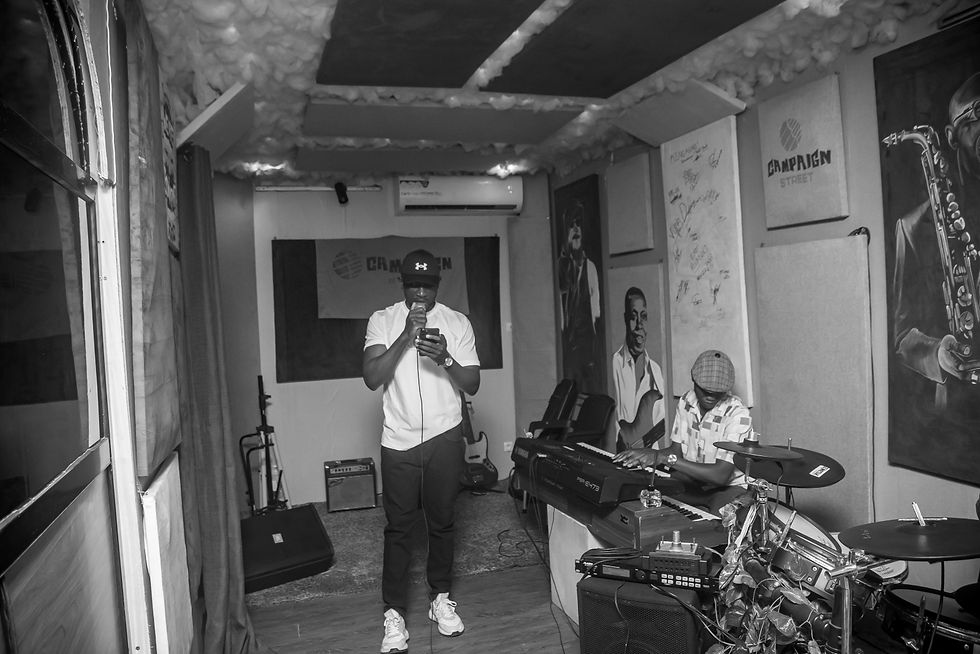
A live collaboration mindset: His debut presentation includes a live studio recording session with The Bonasango band, showing interest in musicianship and performance depth. (yankitymusic.com)
Music collaboration can expand his reach
One of the most promising parts of Yankity’s early rollout is the presence of music collaboration. The page for “The Memories” names The Bonasango band and lists supporting musicians, including guitarist Mendel Louis, drummer Precious Beyy, bassist Sylvano Mabom, keyboardist Joshua Memba, and vocalists Mayi Rozz, Nkongne, and Aneesa. (yankitymusic.com)
That matters because live musicians can bring warmth, surprise, and human movement into Afro-fusion. For an artist who already blends rap, singing, and cultural influence, collaboration can help transform studio ideas into full-bodied performances. It can also make the music more adaptable for stages, acoustic sessions, festivals, and visual content.
If Yankity continues building with producers, bands, vocalists, and artists across Cameroon and the wider African scene, he can grow without losing his center. The right collaborations would not dilute his identity; they would give it more rooms to echo in.
How listeners should approach Yankity’s music
Listeners should approach Yankity as an artist at the beginning of a serious arc. This is not yet a long catalogue to decode; it is an opening chapter. The best way to hear him is to pay attention to the textures: the switch from rap to melody, the use of language, the reflective writing, and the balance between minimal sound and emotional weight.
A simple listening checklist can help:
Listen for the story first. Notice how memory, growth, and resilience shape the mood.
Follow the language shifts. Even when every word is not familiar, the movement between languages adds rhythm and identity.
Notice the restraint. Minimalist production can make voice and message feel more direct.
Watch the live direction. His work with musicians hints at how his sound may grow on stage.
Track the next releases. The real measure of his rise will be consistency, creative development, and audience connection.
A fresh voice for Cameroon culture
Yankity’s rise matters because Cameroon’s next breakout artist does not need to sound predictable. He can be lyrical, melodic, multilingual, culturally grounded, and modern all at once. That is the space Yankity is beginning to occupy.
As a cameroonian afro-fusionist artist, he has the ingredients that make an emerging act worth watching: a personal story, a distinctive blend, a thoughtful debut, and a collaborative instinct. If he keeps refining that identity, Yankity could become one of the names helping shape the next wave of Cameroonian music for listeners at home and beyond.


Comments